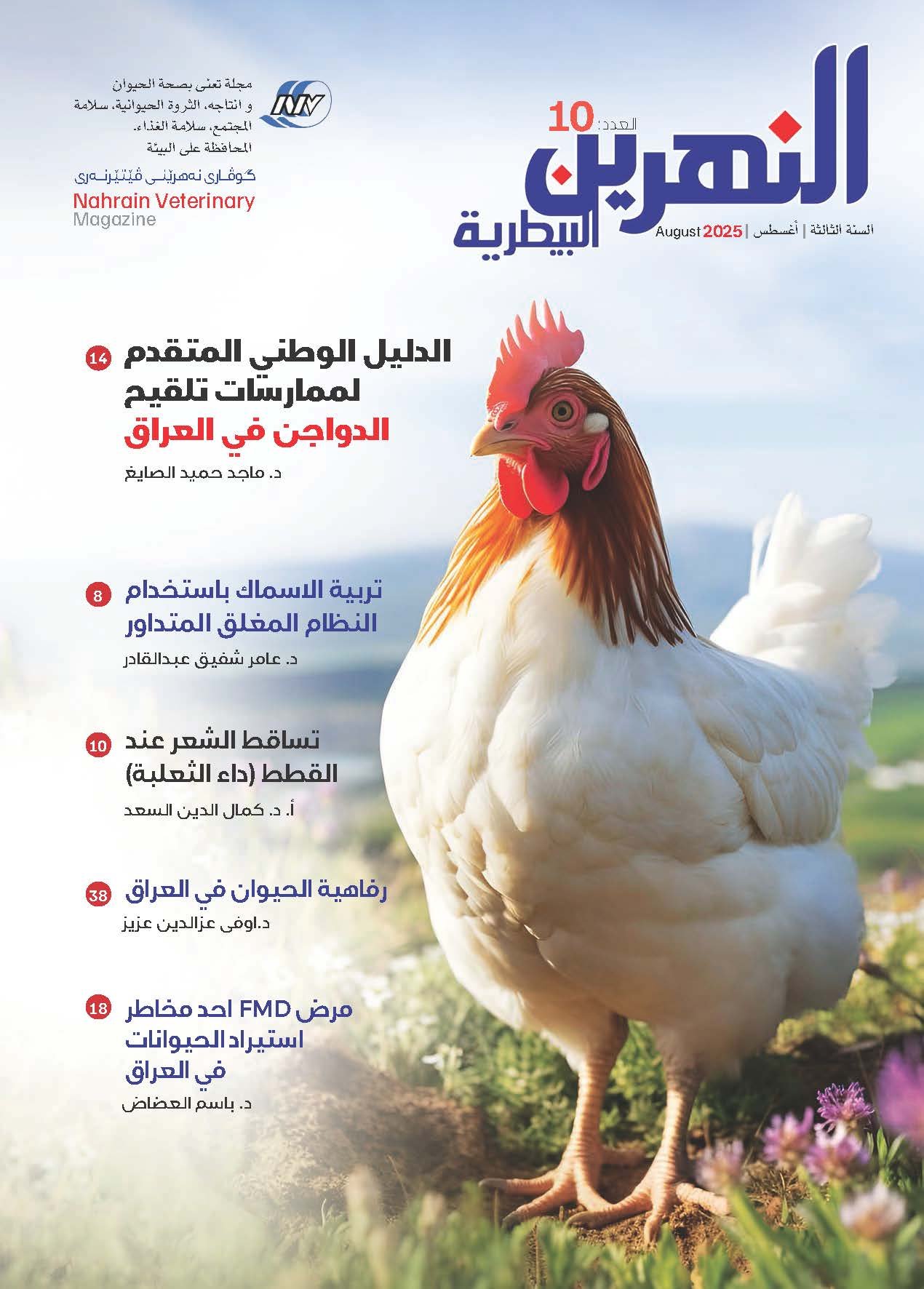
Biosecurity Measures Evaluation Report on Poultry Farms 2025

Dr. Majed Hamed Al Saegh / poultry pathologist / Australia
3/ 7/ 2025
Introduction:
Biosecurity is one of the most important pillars for ensuring bird health and sustainable production in poultry farms. This report aims to review and evaluate the preventive measures currently implemented within the farm through a comprehensive checklist. This helps prevent the introduction and spread of infectious diseases, improve production performance, and comply with national standards.
- General Infrastructure Maintenance:
Proper infrastructure plays a pivotal role in preventing environmental pathogens.
| Item | Evaluation | Observations |
| Condition of the barn roof (free of leaks)
| ||
| Protection of the barn from flooding | ||
| Efficient internal ventilation | ||
| Integrity of drains and pipes | ||
| Cleanliness of the external environment and freedom from algae |
- Litter Management:
Clean and dry litter is essential to reduce the spread of infection and respiratory diseases.
| Item | Evaluation | Notes |
| A covered storage area for litter | ||
| Remove outer packaging before entry | ||
| Sterilize packaging | ||
| Sterilize incoming vehicles |
- Rodent and Wild Bird Control:
Rodents and wild birds are dangerous vectors of many viral and bacterial diseases.
| Item | Evaluation | Notes |
| Effective commercial control system | ||
| Remove vegetation around buildings | ||
| Clean up feed spills immediately | ||
| Clog potential entry points |
- Staff and Visitor Management:
Workers and visitors are major sources of disease introduction if preventive protocols are not followed.
| Item | Evaluation | Observations |
| Periodic training for workers | ||
| Training for workers on vacation | ||
| Dedicated clothing and footwear for each barn | ||
| Providing personal protective equipment (PPE) | ||
| Having sanitary barriers for entry |
- Managing production and operational records:
Documenting daily activities and observations facilitates disease tracking and improved decision-making.
| Item | Evaluation | Observations |
| Updating visitor and entry logs: | ||
| By-product and feed disposal records | ||
| Maintaining production records for ≥60 days | ||
| Daily updating of production parameters:
| ||
| Feed | ||
| Water | ||
| Egg production | ||
| Mortality rates | ||
Conclusion and Recommendations:
Based on the results of this inspection, it is recommended to:
- Strengthen ongoing worker training and update preventive measures.
- Improve infrastructure, especially in the areas of drainage and ventilation.
- Activate rodent and wild bird control programs in a scientific and continuous manner.
- Adopt a digital system to document data, production, and daily interventions.
- Conduct a quarterly review of this list to identify improvements.
Date of Evaluation:
Name of Evaluation:
Signature:
Responsible Authority: [Name of Farm/Institution]